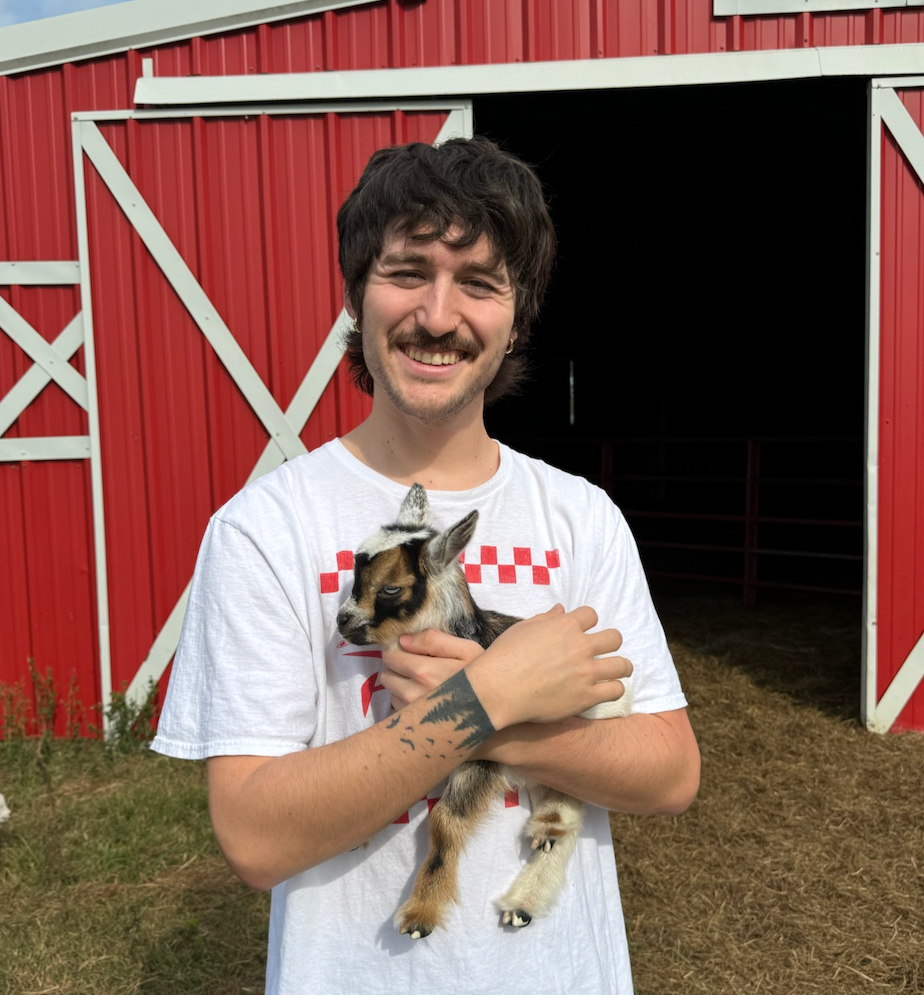
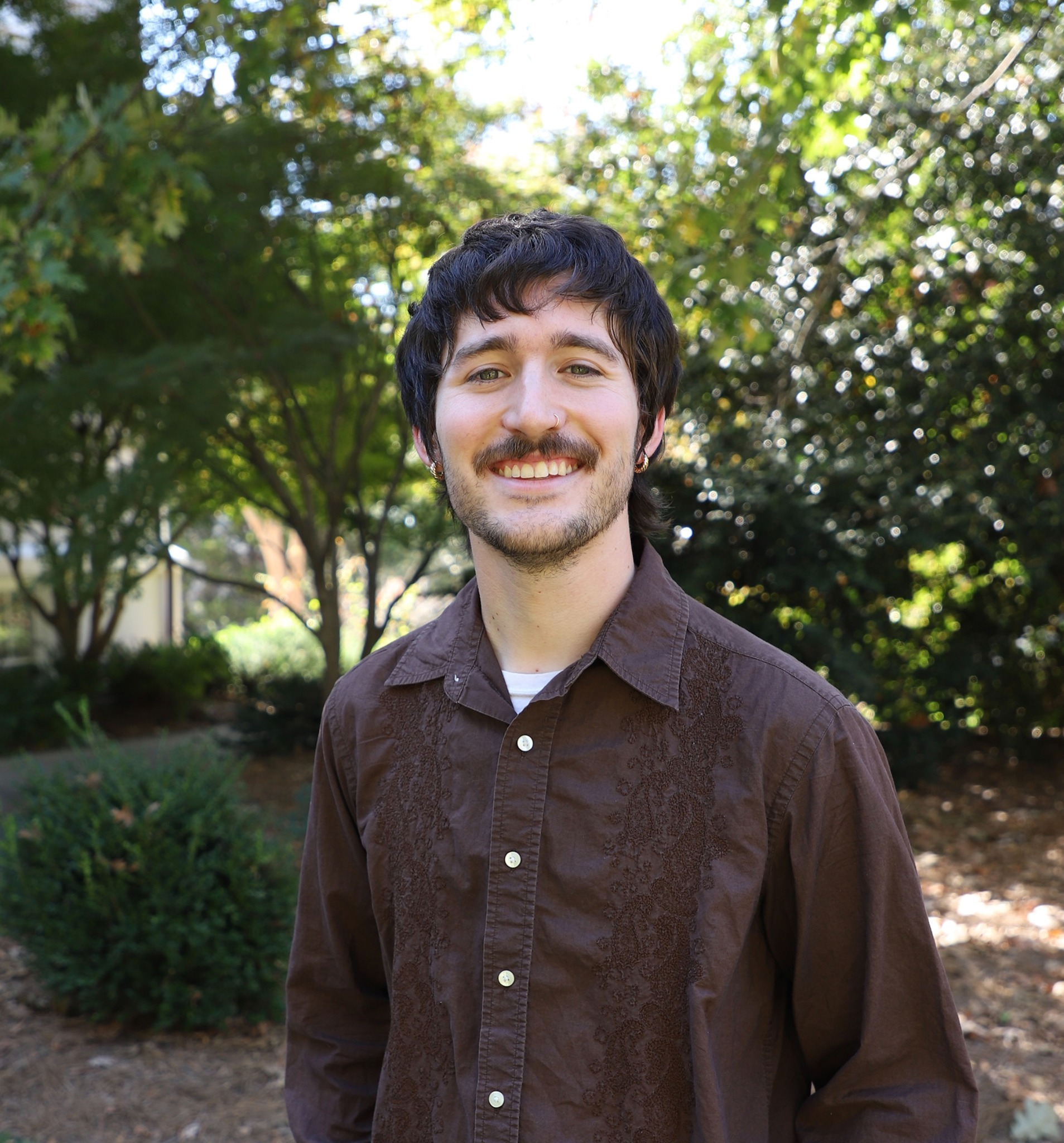
Growing up on a goat farm in rural Mississippi, I once dreamed of being a journalist. Writing for my high school publication, I became entranced by the ability to synthesize and communicate the complex realities of the Deep South. Yet those same realities ultimately drove to pursue philosophy and cognitive science at the University of Georgia to understand why any of us do what we do.
So, how does a philosopher become a bug scientist and science communicator?
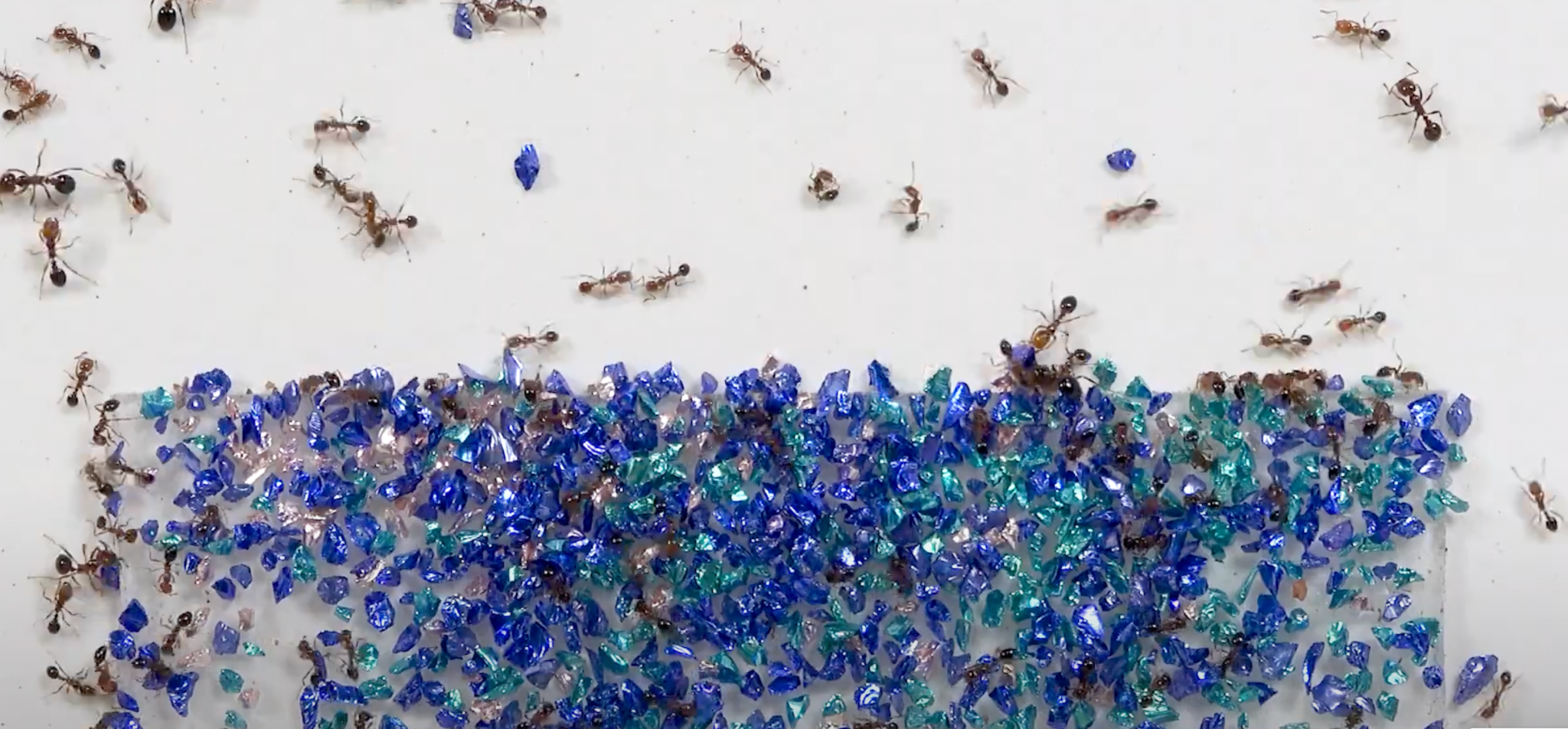
It began when I joined the Collective Cognition Lab at UGA and started studying collective behavior in fire ants, never imagining the fascination they’d unearth. Soon after, I worked in labs studying langur monkey calls in Sri Lanka, personality in clonal raider ants at Harvard, and barriers to EV adoption in rural Georgia.
Alongside my research pursuits, I remained deeply connected to the community that built and shaped me. Through the E Pluribus Unum Foundation Youth Fellows Program, I led a project to alleviate period poverty in Athens-Clarke County, partnering with Project Red to establish over 20 free period pantries on- and off-campus. Collectively, these experiences pushed me to explore the behavior of both insects and the societies that hold their fate in their hands.
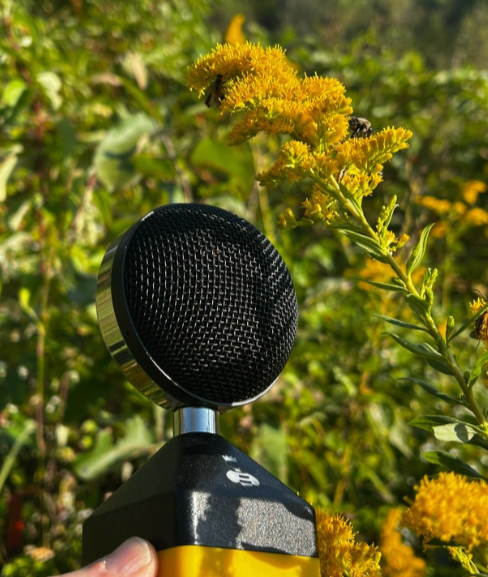
Now, as a MS student in biology at the University of Missouri, I am researching how plants use the vibrations generated from their pollinators as cues for increasing nectar quality with the goal of understanding the relationships between the insect and plant life that quietly sustains everything around us.
This ongoing fascination with philosophy, outreach, and bugs has brought me full circle to science communication, a role I find incredibly rewarding. As an ambassador for the Xerces Society for Invertebrate Conservation and science communicator @Bowlesbugs on Instagram, I love creating accessible content about insect behavior and sharing the importance of protecting native pollinators.
Now, I am seeking opportunities in full time positions in science writing, education, and communication.